Don't even think about creating your own camper van or motorhome without insulating it properly. It makes an enormous difference not only to how warm the van stays, but also to how damp everything gets due to condensation. Even if your van does end up getting a bit damp, having a heater means you can dry everything out - after a wet few days its difficult to overstate the importance of this.
Insulation and Condensation in Campervans
Introduction
In a campervan its almost impossible not to produce lots of water vapour - everyone in the van breathes and produces more water vapour every time. Every time you cook something you generate loads of steam - especially pasta etc. It's unavoidable. What you want to try to avoid as much as possible is all that water vapour in the air hitting the cold metal of the van and condensing - especially in places where you can't easily wipe the water off (e.g. inside cupboards, behind panels, etc). The way to achieve this is to create a well insulated room, with a vapour barrier on the inside, and ensure good ventilation.
The combination of insulation, a vapour barrier, and ventilation has the effect of keeping the moist air inside the van warm until it escapes to the outside - the insulation also fundamentally keeps the van warm, and the vapour barrier prevents the water vapour getting to the cold metal where it would cool down and condense. You want to avoid water on metal wherever you can - recite after me: water + metal = rust!
How to Insulate your Campervan
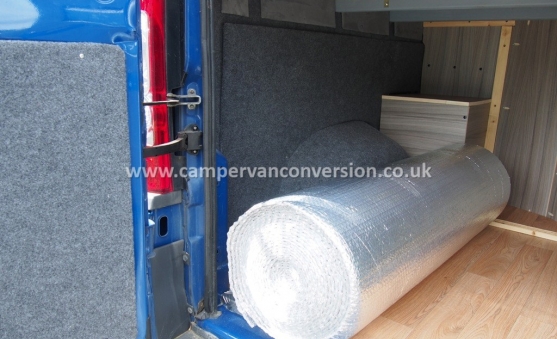
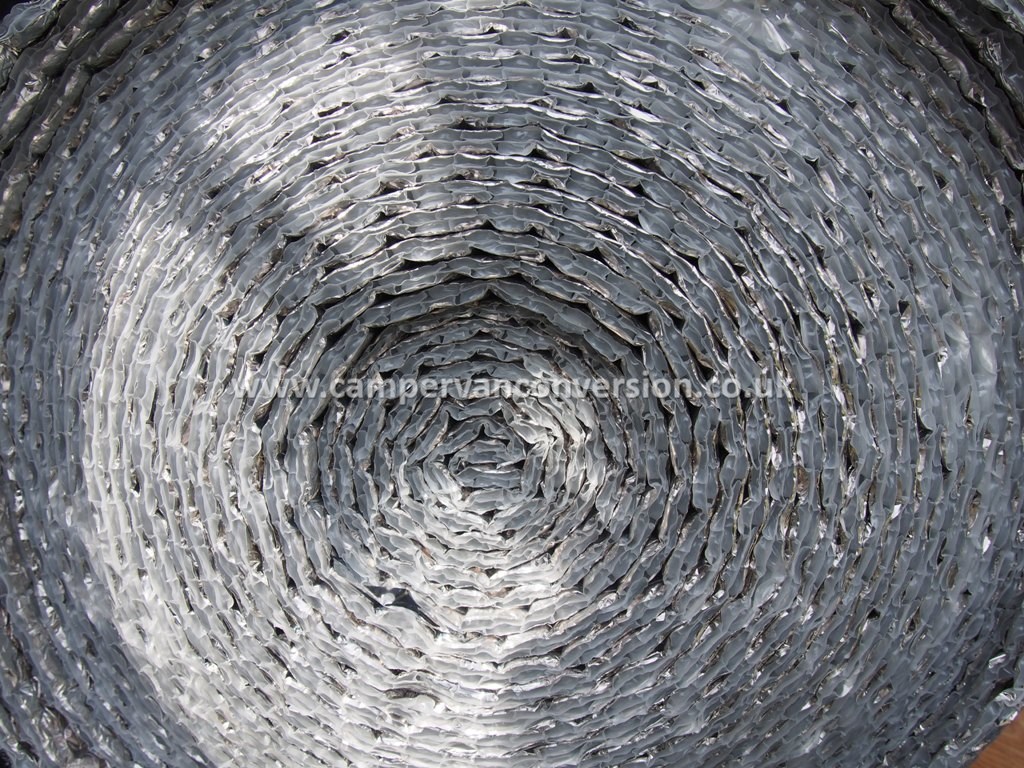
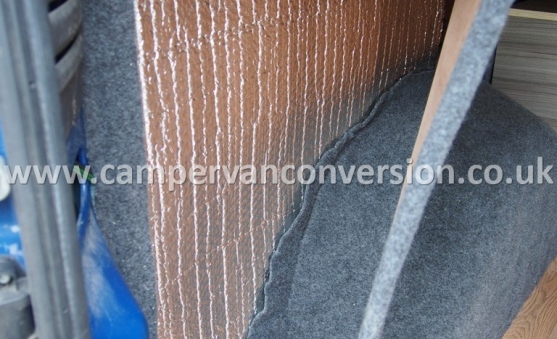
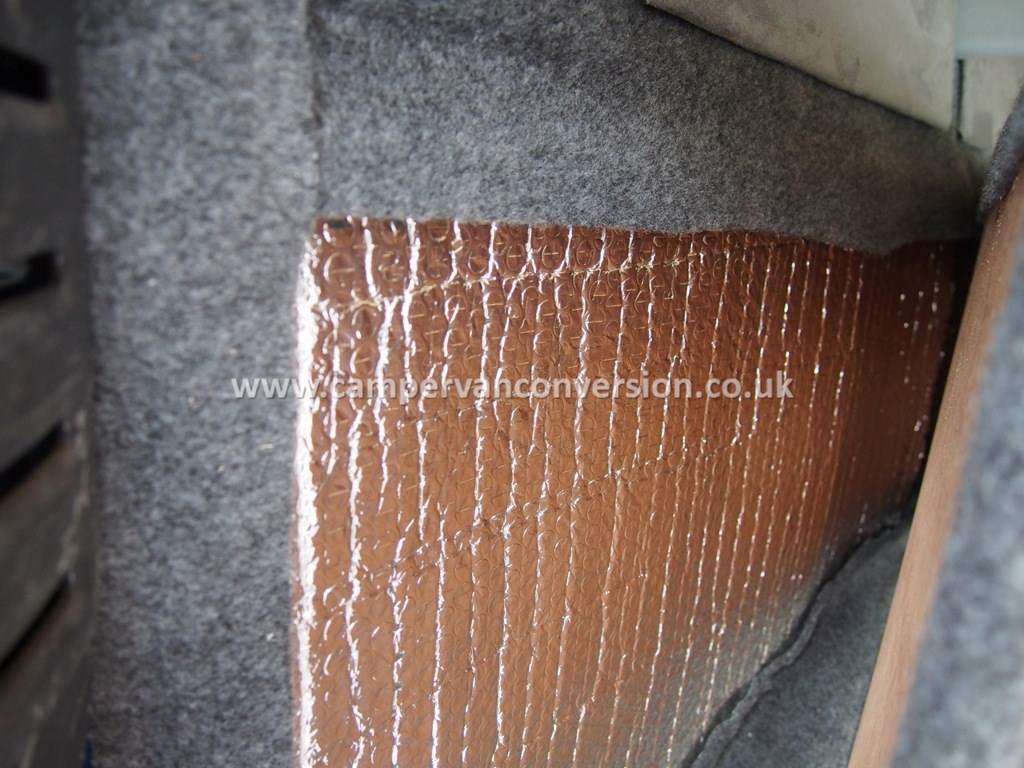
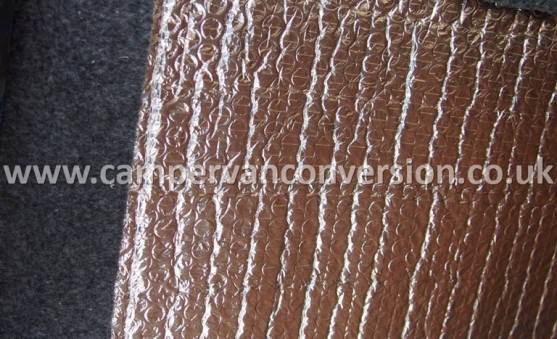
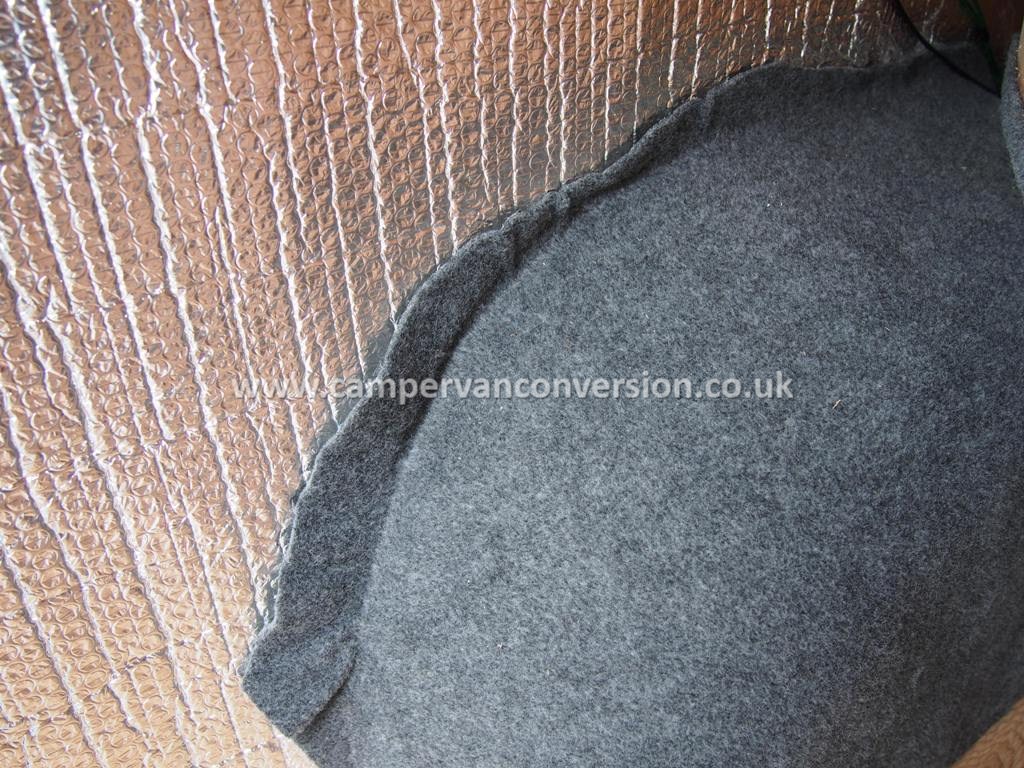
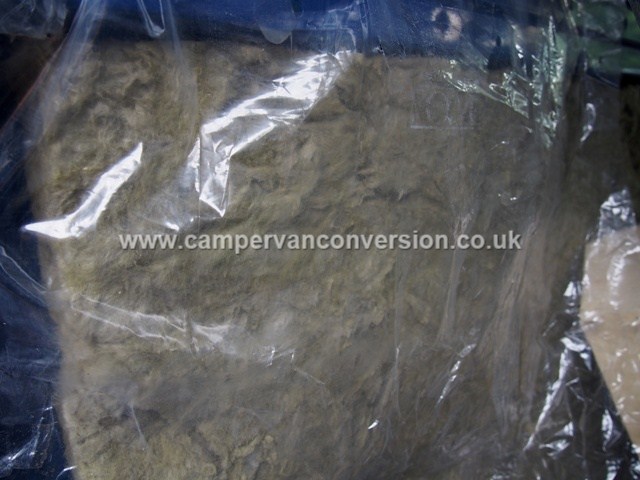
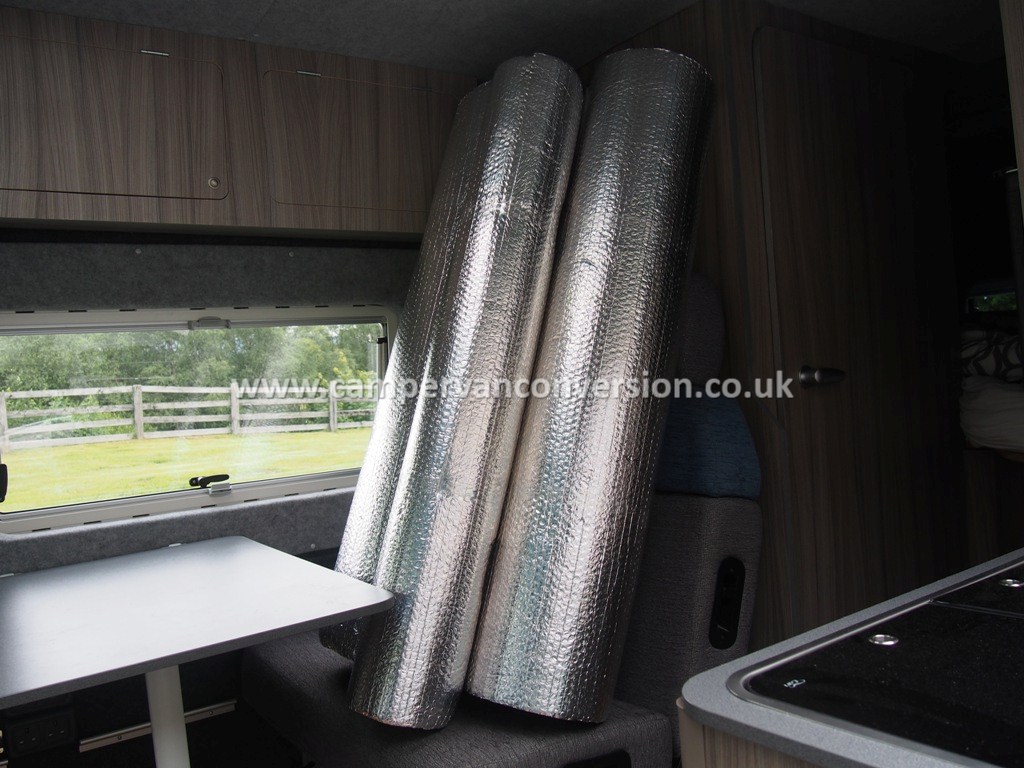
So, how do you insulate your campervan? - The best two materials I know of are either normal housing insulation (glass-wool), or thick foam which you can get from most campervan conversion specialists. Alot of people use sheets of polystyrene, but I've never been keen on that - think lots of squeeking noises, and little white balls getting everywhere - shudder!
The best combination for DIY van insulation is:
- Bare metal
- Insulation
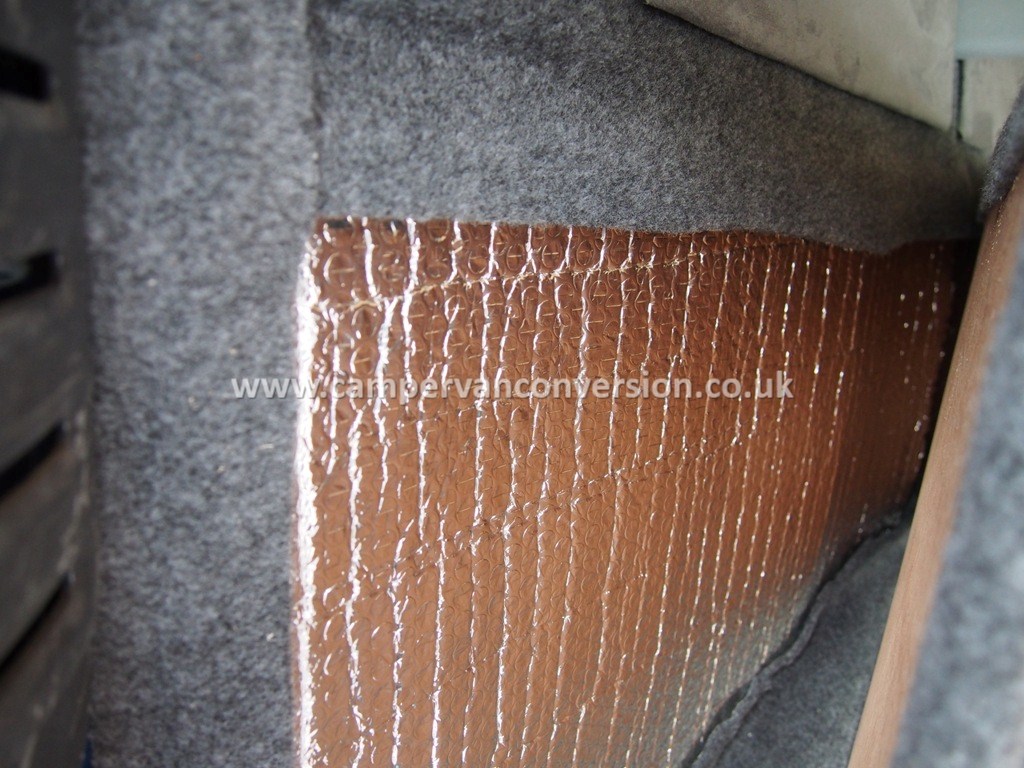
- Vapour barrier (a sheet of polythenewill do)
- Plywood panel or cupboard etc.
The other thing the polythene / vapour barrier does if you're using glass wool is keep all those fibres well sealed away from the air you're breathing.
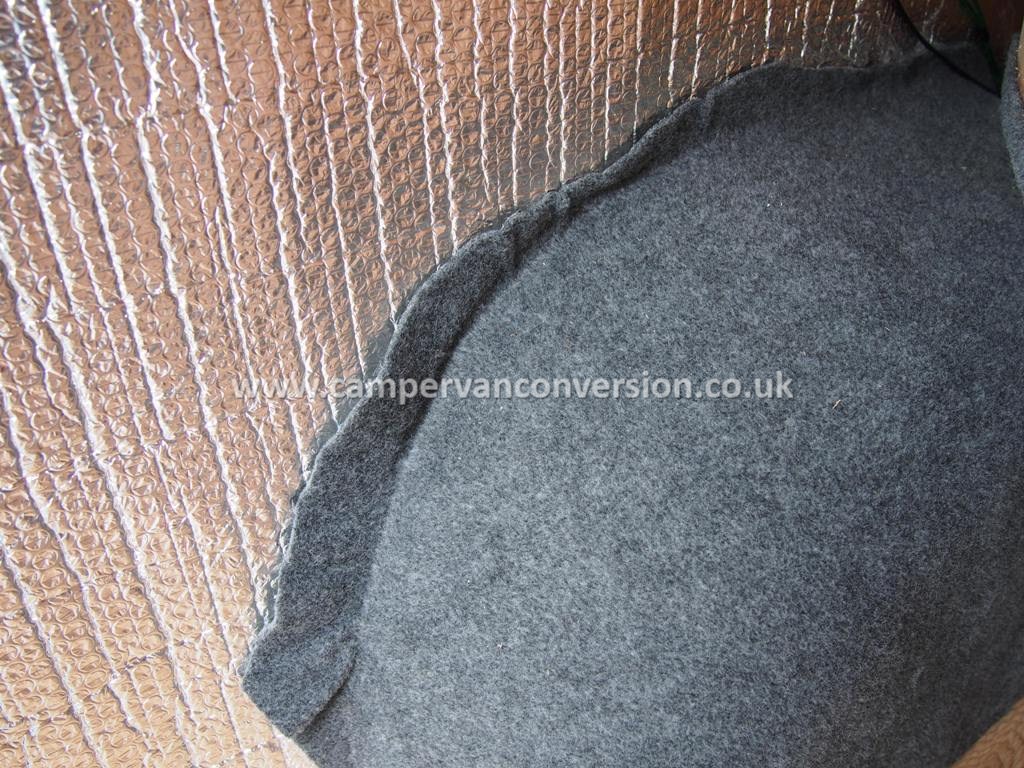
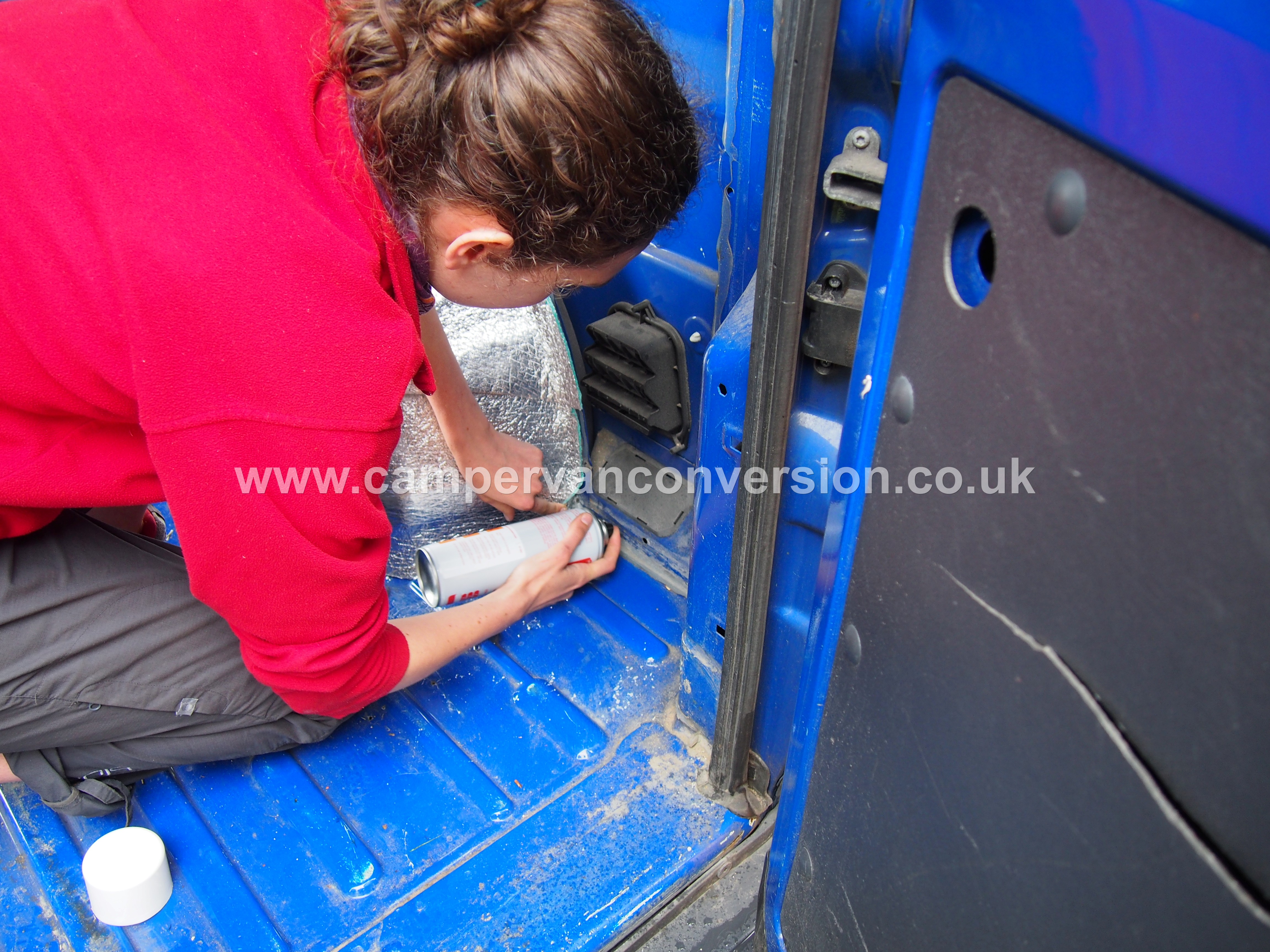
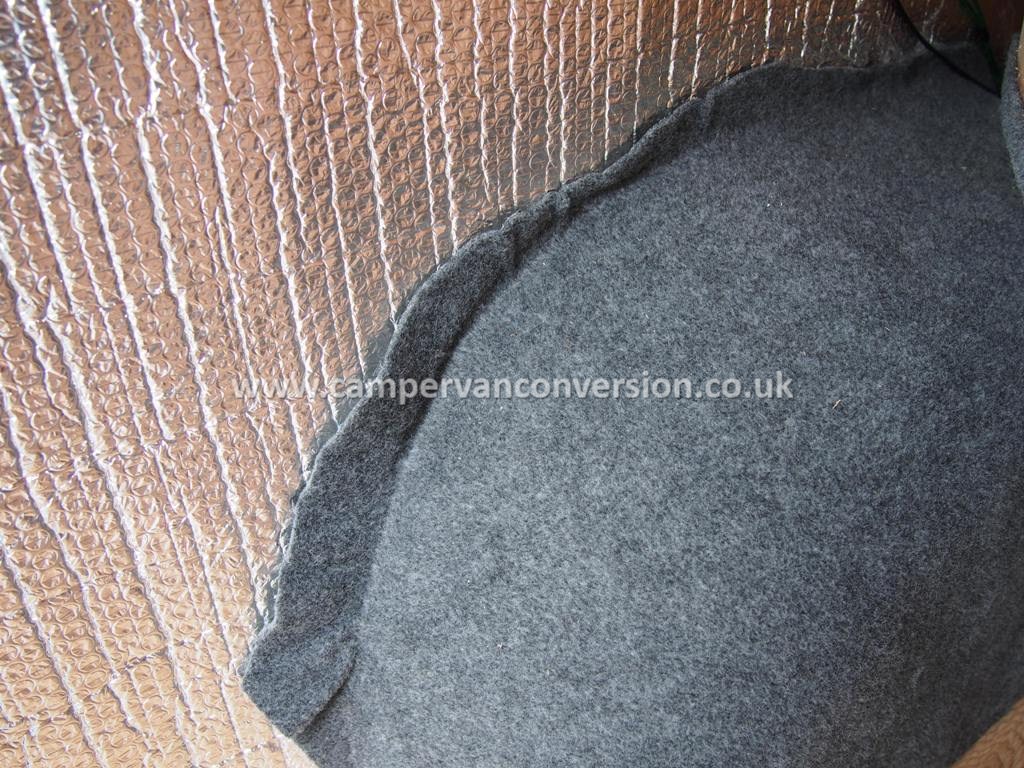
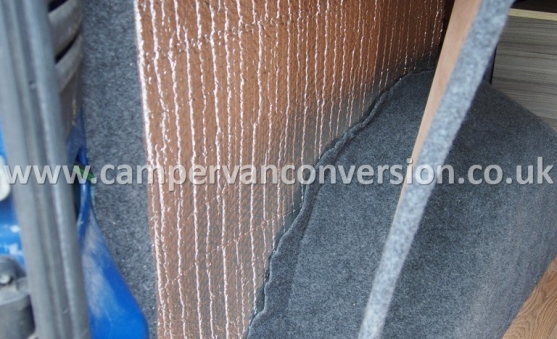
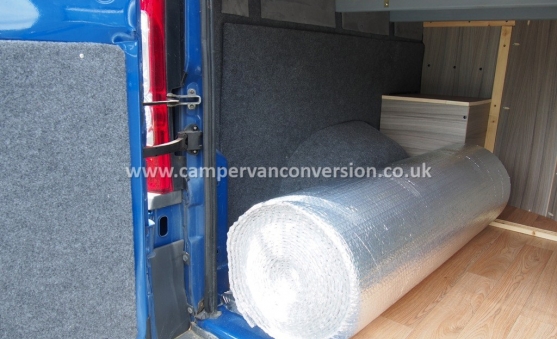
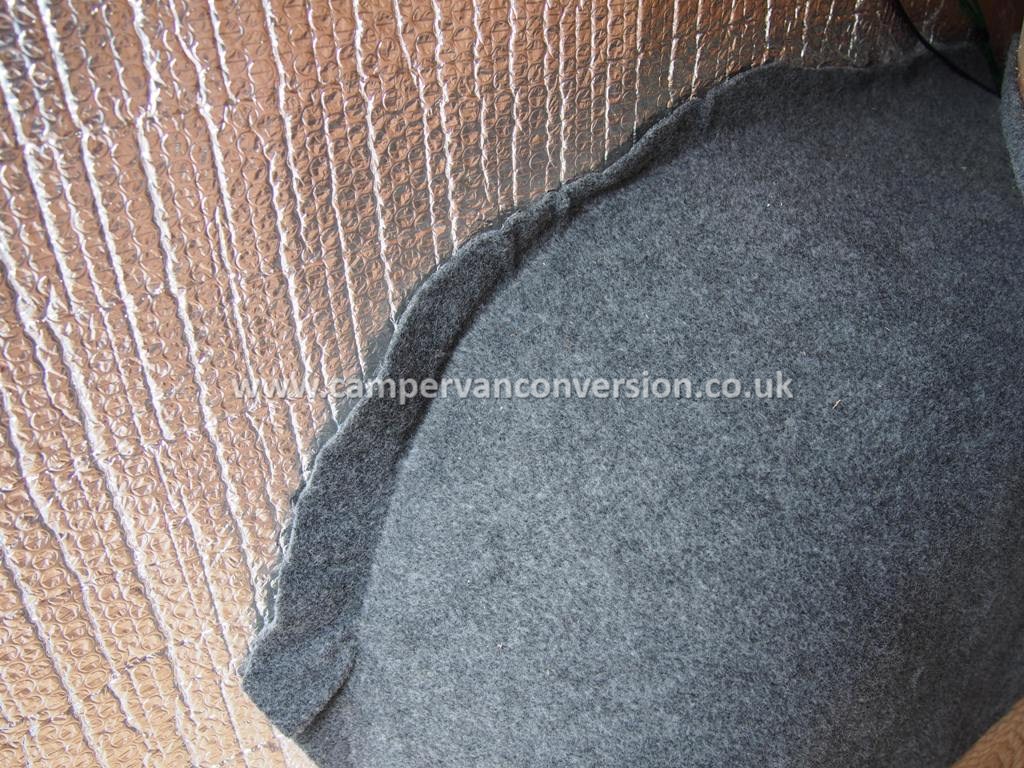
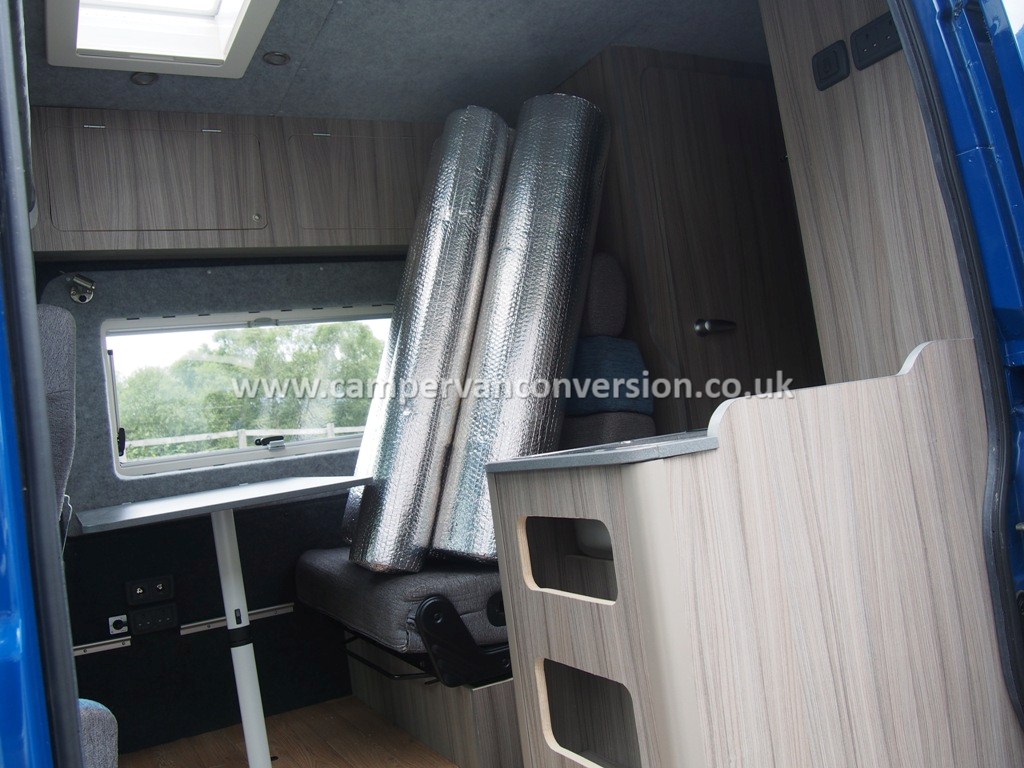
I removed the existing panels in my van (secured with poppers which you can prise out although some may break) i.e. on the ceiling and back and side doors. It was fairly easy to slot insulation in behind these then add the polythene and replace the existing panels (which are made of some kind of plywood with a grey finish). Areas behind some of the units were a little more fiddly. The main thing was in some places I couldn't reuse the original panels as I need something stronger to secure cupboards too. All this meant was I needed to cut new panels out of plywood. Anyway, fairly straightforward I reckon.
Any questions or comments on this article let us know through the Forum....